
Get a free quote →
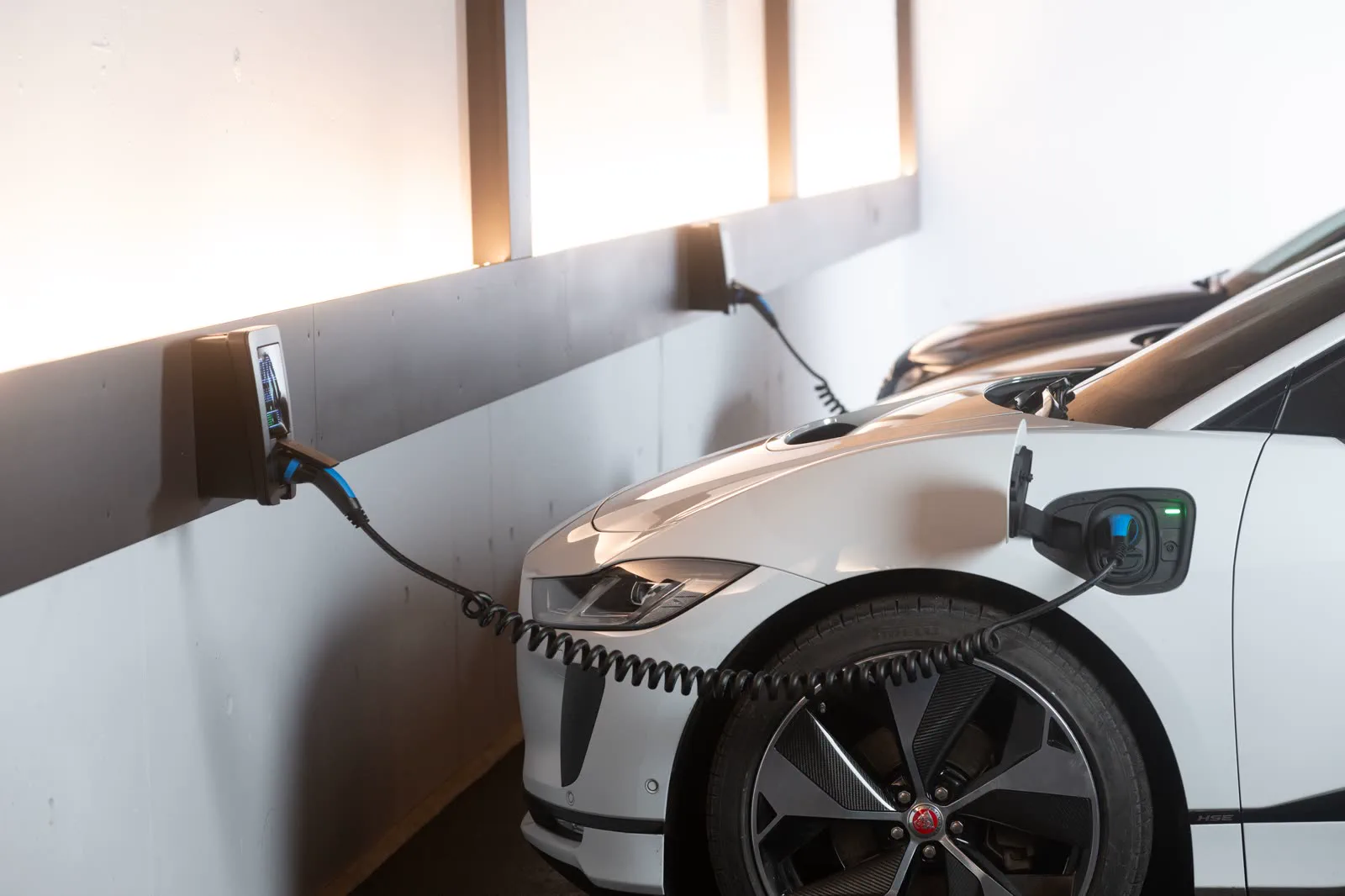
Two electric cars charging from wall-mounted EV chargers in an Auckland garage
Home · Services · Battery, EV & Energy Advice
Battery, EV charging & advice

Battery storage and
EV charging in Auckland

These three belong together. How big a battery you need depends on when you actually use power, and that changes the day an electric car turns up in the driveway. We'd rather look at the whole picture once than sell you three things separately and have them not quite fit.

Sized on your real usage
Backup circuits planned with you
Advice first, hardware second
What's involved

What you get

No two properties are the same, so this is the shape of the work rather than a fixed package. The detail gets set once we've seen your place.

At a glance

Battery capacity5 kWh – 250 kWh+
Battery brandsSigenergy, Tesla, BYD
EV charging7.4 kW single / 22 kW three phase
Charger brandsSigenergy, Tesla, Enphase
BackupSelected essential circuits
Retrofit to existing solarYes, in most cases
ConsultationOn site or online, no obligation

Bigger isn't automatically better. An oversized battery that never fully cycles is expensive capacity doing nothing, which is exactly the sort of thing the consultation is for.

Battery storage

Use your own solar after dark, avoid drawing from the grid at peak rates, and keep the important things running when the power goes out.

Usage-based sizingWe look at what you draw between sunset and sunrise. That number, not a brochure, decides the capacity you actually need.
Backup circuit planningWhole-home backup is rarely the right answer. We work out with you which circuits matter (fridge, lights, internet, a heat pump) and design for those.
Retrofit to existing solarAlready have solar? In most cases a battery can be added without touching the array, using AC coupling. We'll confirm compatibility first.
Honest advice on couplingAC or DC coupled, hybrid inverter or standalone. Each has trade-offs. We'll explain which suits your setup and why, in plain terms.

EV charging

A charger that works with your solar, your battery and everything else drawing power in the house, so you charge on your own generation where possible, and never trip the main.

Supply and load assessmentBefore anything is quoted we check your supply type, main capacity and switchboard. It's the step that gets skipped most often, and it's the one that causes problems later.
Solar-aware chargingWhere the hardware supports it, we set the charger to prioritise surplus solar so you're charging on your own generation rather than importing.
Dynamic load managementThe charger backs off when the rest of the house is drawing hard, so a full kitchen plus a charging car doesn't take out your main breaker.
Tidy cable runsCable routing, mounting position and cable length planned with you on site, so the cable reaches the port and doesn't lie across the driveway.

Energy consultations

Sometimes the best advice is to wait, or fix something simpler first. A consultation gives you a clear picture of how your property uses energy and which of these is actually worth doing.

Bill and usage analysisWe go through 12 months of bills and, where available, your half-hourly interval data, so we're talking about facts rather than assumptions.
Tariff reviewPlenty of households are on the wrong plan for how they use power. Changing that costs nothing and sometimes beats buying anything.
Options ranked by valueSolar, battery, EV charging, heating, hot water timing, laid out in the order that makes financial sense for your situation.
Straight answersIf your roof is too shaded, your usage too low, or your plans too uncertain to commit, we'll tell you. That's the whole point of the service.
Who it suits

Is this right for you?

Evening-heavy households

If the house is empty during the day and busy from 5pm, a battery is what makes solar work for you.

Solar households

Charging on your own surplus rather than importing is usually the cheapest kilometre you'll ever drive.

People weighing it up

If you've had two quotes that contradict each other, an independent read on your usage clears things up quickly.

Product independent

We're not tied to
one manufacturer

We recommend equipment based on your property, your budget and what you're trying to achieve, not because of a supply agreement. Brands change as the market does, and so do our recommendations.
Sigenergy Tesla BYD Enphase
See the brands we work with →
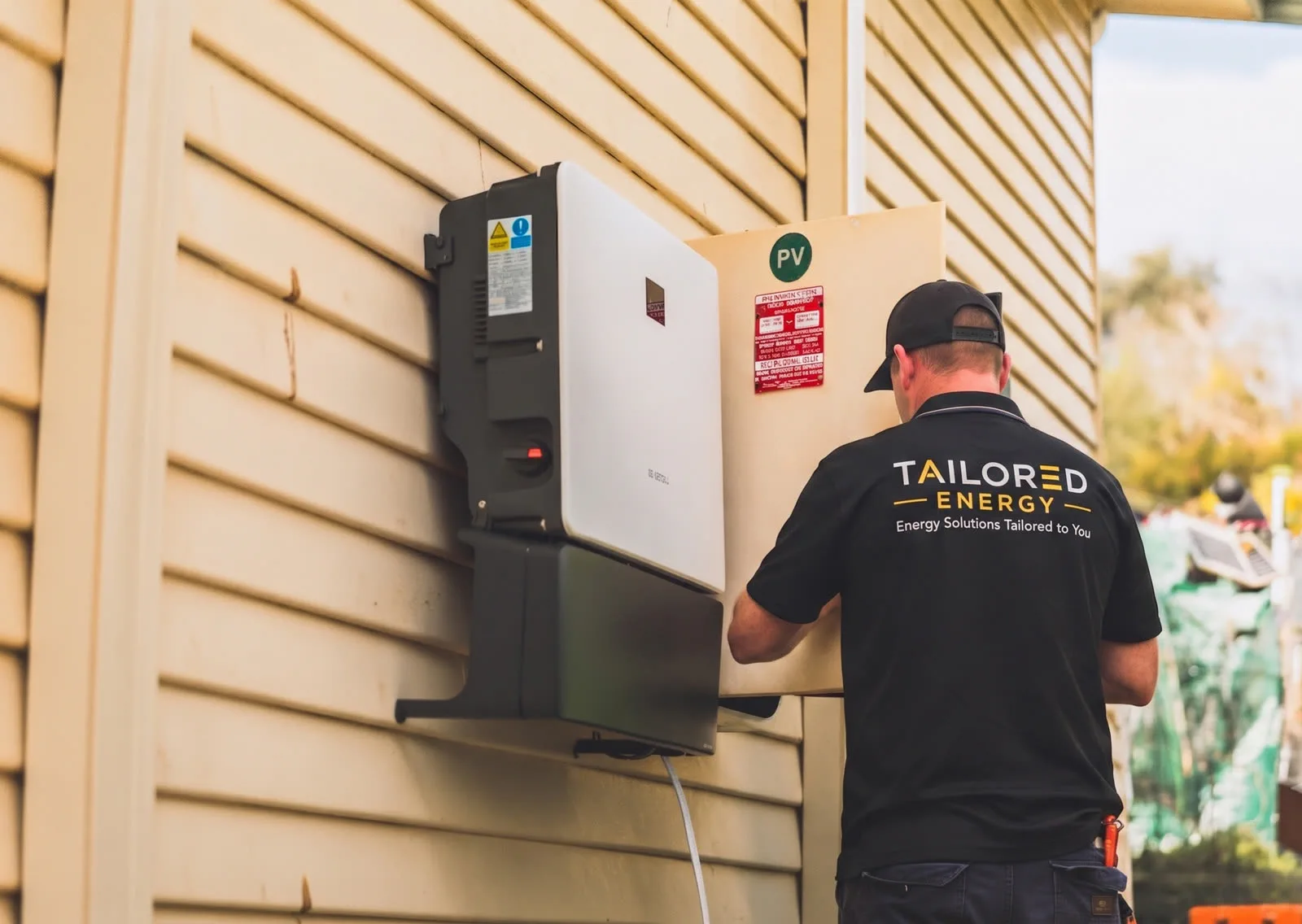
Tailored Energy technician commissioning a solar inverter and home battery in Auckland
How it works

What working with us looks like

01

Conversation

We start by understanding how you use energy, what you want to achieve and what your budget looks like. No obligation.

02

Design & quote

We design a system around your property and send an itemised quote you can actually read and compare.

03

Installation

Licensed electricians and accredited installers do the work, tidily, with the grid paperwork handled for you.

04

Ongoing support

Monitoring set up, questions answered, warranties managed. We stay contactable long after handover.

Common questions

Battery, EV & Energy Advice questions

Will a battery run my whole house?
During normal operation, often yes for a good part of the evening. During an outage, generally no, and that's by design. Backup is normally wired to essential circuits so the stored energy lasts through the outage rather than being drained by the oven and the dryer in the first hour.
Can I add a battery to solar I already have?
Usually yes. AC coupling lets a battery be added alongside an existing array and inverter without replacing them. Occasionally an older inverter or an unusual configuration makes it awkward, and we'd rather find that out during the assessment than after you've committed.
How long do batteries last?
Modern lithium batteries are typically warranted for around 10 years or a set number of cycles, with a guaranteed remaining capacity at the end of that term. They don't stop working at that point. They hold less. We'll show you the specific warranty terms for whatever we recommend.
Can I charge purely from solar?
With a solar-aware charger, largely yes, during the day when there's surplus. Most people set it to top up from solar where available and fall back to off-peak grid charging overnight. We'll set it up around when you actually drive.
Will I need a switchboard upgrade?
Sometimes. Older boards or properties near their supply capacity may need work. Dynamic load management often avoids an upgrade entirely by throttling the charger when the house is busy. We check this before quoting, so there are no surprises.
Do I need three phase?
Only if you want to charge faster than about 7 kW, which is around 40km of range per hour, enough to fully charge most cars overnight. Three phase is worth it for high-mileage drivers, two-EV households and commercial sites.
Is the consultation free?
The initial conversation and options discussion is free and carries no obligation. If you want detailed modelling or a full written energy assessment, we'll tell you up front if there's a fee and what you get for it. No hidden charges.
Will you just try to sell me something?
No. That's the opposite of how this business is built. If solar or a battery doesn't make sense for you right now, we'd rather tell you and keep the relationship than sell you something you regret.
Related

Often paired with

No pressure, ever

Talk to us about
battery, EV & energy advice

Tell us about your property and how you use power. We'll tell you honestly whether battery, EV & energy advice is the right next step, and what it would involve if it is.